Key Takeaways
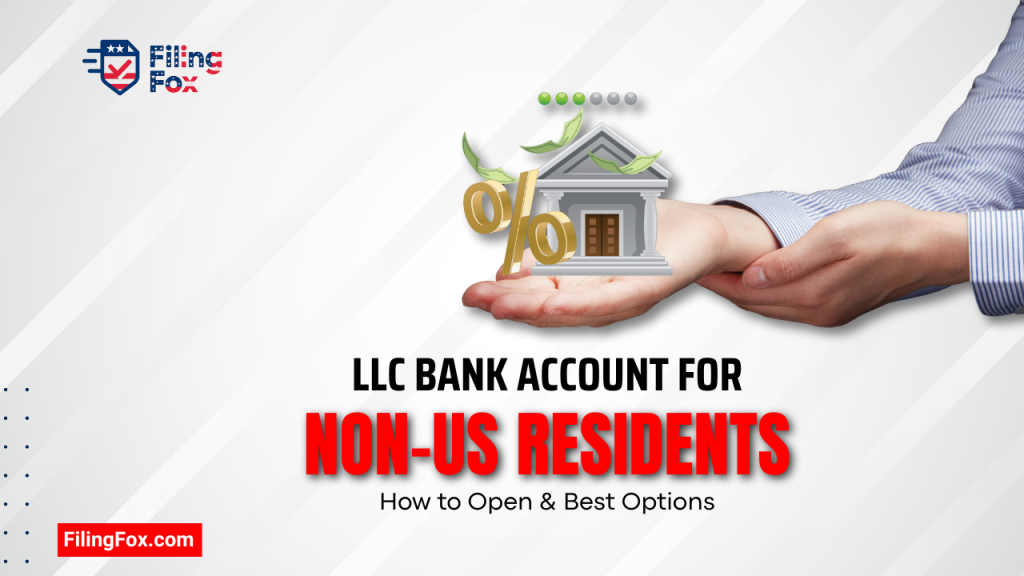
Opening a U.S. LLC bank account as a non-US resident presents unique challenges due to stricter regulations and compliance demands. However, the emergence of innovative FinTech platforms has expanded the options available, offering alternatives to traditional banks for remote and more accessible account setup. The following insights provide a clear understanding of crucial requirements and best practices to navigate this process effectively.
- Leverage FinTech Platforms: Services like Wise and Relay simplify account opening for non-US residents by offering streamlined digital verification and compliance with current regulations, enabling remote applications with fewer hurdles.
- Prepare Essential Documentation Carefully: Be ready with LLC formation records, valid passports, your EIN, and potentially proof of address. Confirming documentation needs with banks or platforms beforehand can prevent delays.
- Stay Mindful of Compliance Restrictions: Compliance frameworks such as the Beneficial Ownership Rule and U.S. sanctions limit banking accessibility for residents of regulated countries. Always verify eligibility in advance if your residence falls under OFAC restrictions.
- Plan for Traditional Banking Requirements: Traditional banks often require in-person visits and strict documentation, making early planning critical. Alternatively, consider fintech solutions that eliminate the need for travel.
- Match Account Features to Business Needs: Account minimums, such as initial deposits ranging from $100 to $1,000 and minimum balances between $500 and $2,500, should align with your financial operations. Business debit cards availability is another key factor.
- Utilize U.S.-Based Communication Tools: Employing virtual U.S. addresses and phone numbers through services like Phone.com adds credibility and smooths the verification process when dealing with banks from abroad.
- Open Accounts Without SSN/ITIN: It is possible to open LLC bank accounts without a Social Security Number or ITIN, but consultation with tax professionals is advisable for fulfilling U.S. tax obligations accurately.
- Anticipate Ongoing Compliance and Fees: Monthly fees, minimum balance requirements, and submitting Banking Resolution documents are common. Awareness of these helps maintain compliance and control operational costs.
As the regulatory environment continues to shift, keeping informed about both traditional and emerging financial service options empowers non-US residents to open and maintain U.S. LLC bank accounts efficiently. The following sections explore detailed procedures, recommended providers, and compliance strategies to support successful account setup.
Understanding Options for Opening a U.S. LLC Bank Account as a Non-US Resident
Overview of the Current Banking Landscape
The process of establishing an LLC bank account in the U.S. has grown more complex, driven largely by tightened regulatory requirements designed to curb money laundering and illegal financial activities. Banks must now verify the identities of all individuals with significant ownership or control of an LLC, in compliance with the Beneficial Ownership Rule. Additionally, screening customers against U.S. sanctions lists, such as those maintained by the Office of Foreign Assets Control (OFAC), further restricts access for individuals from certain countries.
Alongside these regulatory hurdles, financial technology companies have introduced digital banking platforms that simplify account opening. These platforms often provide faster approval, lower fees, and remote onboarding options—though they vary in terms of deposit insurance and regulatory coverage.
Understanding the regulatory demands alongside the available banking options is essential for non-US residents seeking U.S. LLC bank accounts. The following discussion outlines the most practical solutions in today’s environment.
Most Viable Banking Options for Non-US Residents
FinTech Platforms
- Wise Bank Account: Wise offers straightforward approval for non-residents with the ability to hold and transfer U.S. dollars at competitive exchange rates. While Wise accounts are not covered by FDIC insurance, funds are safeguarded under the company’s regulated operations, making it an attractive choice for those prioritizing cost-efficiency and simplicity.
- Relay Bank Account: Relay provides FDIC-insured deposit accounts along with advanced features such as multiple sub-accounts and integrated payment processing. Its growing reputation as a viable solution for foreign-owned LLCs reflects a balance between security and modern banking convenience, though account eligibility depends on business nature and proper documentation.
Traditional Banks
- Wells Fargo: Wells Fargo remains relatively accessible to foreign LLC owners, requiring a physical U.S. address and an in-person appointment. Many applicants find success by preparing complete documentation and scheduling visits in advance. Initial deposit requirements range from $100 to $500, and monthly maintenance fees vary by account type.
- Chase Bank: Chase offers comprehensive business banking products but generally demands higher minimum deposits (often over $1,000) and a U.S. address. Due to strict compliance policies, onboarding can be lengthier and requires thorough documentation.
- Regional Banks: Smaller banks may provide more personalized service and greater flexibility regarding foreign LLC accounts. However, requirements differ greatly between institutions, making direct contact essential to clarify their policies.
Key Documents Needed for Account Setup
Non-US residents must assemble a complete set of documents to satisfy banking compliance checks. Commonly requested materials include:
- LLC Formation Documents: Articles of Organization or Certificates proving legal registration of the company.
- Valid Passport Copies: Government-issued IDs for all beneficial owners and authorized signatories.
- Employer Identification Number (EIN): Required by the IRS for tax identification and necessary for banking operations.
- Operating Agreement: This document outlines ownership details and business governance, supporting beneficial ownership verification under federal rules.
Additional documentation that some banks may request consists of:
- Proof of physical or registered LLC address, using utility bills or leasing agreements as evidence.
- A U.S. phone number, which can be obtained through virtual phone services when a local line is unavailable.
- Beneficial Ownership Declarations disclosing individuals with significant ownership or control, as mandated by law.
Opening a Bank Account: In-Person Versus Remote Approaches
In-Person Setup
Many traditional banks still require non-resident LLC owners to visit U.S. branches for account opening. This process typically involves booking appointments at banks experienced with international clients, such as Wells Fargo. Applicants must bring original copies of all necessary documentation, allowing for immediate verification and account activation. Although offering thorough compliance, this method demands considerable time and financial investment due to travel requirements.
Remote Account Opening
Innovative FinTech providers leverage online platforms, digital identity verification, and document submission to facilitate remote account openings for non-US residents. Wise and Relay permit applications through uploaded documents, video identification, and telephonic confirmation without the need for physical presence. While convenient, remote applicants should anticipate possible verification delays if document authenticity or completeness is in question.
Special Considerations for Non-US Residents
Residency in countries subject to U.S. sanctions may disqualify applicants from opening U.S. LLC bank accounts, as banks rigorously perform OFAC sanctions checks. Non-U.S. residents generally do not need a Social Security Number (SSN) or Individual Taxpayer Identification Number (ITIN) to open accounts, but must obtain an EIN for their LLC. Seeking advice from tax experts or services like FilingFox is recommended to ensure proper compliance with filing and tax regulations.
Fees, Minimum Deposits, and Account Features
The cost structures vary across providers. Traditional banks often require initial deposits ranging from $100 to over $1,000, with monthly maintenance fees depending on account types and balance minimums. Debit cards are typically offered but may incur extra charges.
FinTech platforms usually issue business debit cards linked to the account, facilitating international transactions with minimal foreign exchange fees. These features offer convenience for businesses operating across borders.
Managing Compliance and Maintaining Cost Efficiency
Ongoing account ownership entails adherence to continuing regulatory requirements like submitting updated ownership information and maintaining compliance with U.S. tax laws. Bank accounts may also require maintaining minimum balance thresholds to avoid monthly fees.
Non-residents benefit from engaging professionals to manage compliance and optimize costs, utilizing resources such as FilingFox for navigating these requirements and mitigating risks associated with regulatory changes.
Open a U.S. LLC Bank Account as a Non-Resident
No SSN required—get access to U.S. banking with ease.
Start your LLC filing today at FilingFox
Maximizing Your U.S. LLC Bank Account Setup
Success in opening an LLC bank account as a non-US resident depends on strategic preparation. Utilizing virtual U.S. mailing addresses and phone numbers can meet banks’ verification expectations when physical presence is not an option. Registered agent services and virtual office providers, including FilingFox, can assist in this regard.
Communicating directly with chosen banks or FinTech platforms prior to application helps clarify current policies, required documentation, and account features. For example, contacting Wells Fargo beforehand can prevent unexpected hurdles by confirming their foreign LLC procedures.
Best practices include prioritizing digital-first FinTech solutions to expedite onboarding, ensuring document accuracy and consistency, and staying updated on regulatory shifts influencing foreign-owned LLC bank accounts.
By blending traditional banking reliability with the agility of modern financial technology, non-US residents can efficiently establish and manage U.S. LLC bank accounts to support their global business activities.
Conclusion
Opening a U.S. LLC bank account as a non-US resident demands thorough understanding of regulatory expectations and thoughtful selection between traditional and digital banking options. While institutions such as Wells Fargo and Chase provide established services with in-person requirements and rigorous documentation, FinTech platforms like Wise and Relay deliver flexible, remote-friendly alternatives with distinct features and protections.
Careful preparation, including organizing key documents, leveraging virtual U.S.-based communication tools, and maintaining clear communication with financial providers, significantly eases the process. Remaining vigilant about compliance and fee structures safeguards the account’s long-term viability.
Looking ahead, non-US residents who adopt adaptable approaches combining traditional banking’s stability with the innovative efficiency of FinTech will be best positioned to capitalize on international business opportunities. The challenge lies not only in gaining access to a U.S. bank account but in managing it proactively to navigate regulatory changes and operational demands—ensuring your LLC’s financial foundation remains strong and agile amid a shifting global environment.